INNOVATIVE BRANDING FOR MANUFACTURING
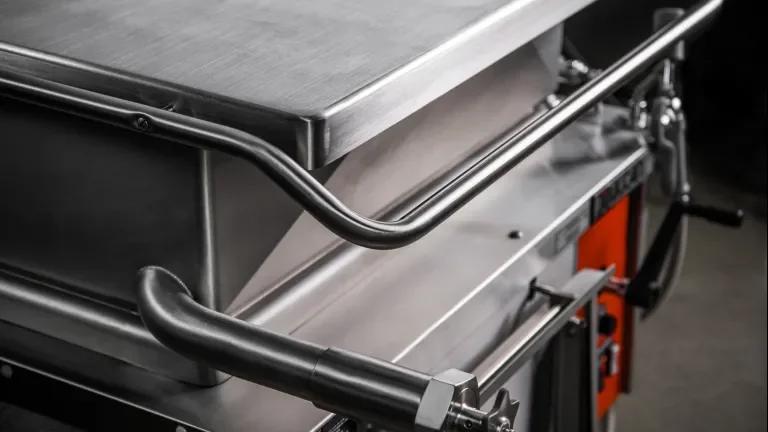
Bonfire Red has worked with manufacturers across foodservice, agriculture, lighting, lawn and garden, and luxury supply chain — to bring the brand into alignment with the operational excellence the company already delivers. Our work shows how we move manufacturers out of the price-and-spec-sheet conversation and into the one they should be having.
The product is premium. The brand hasn’t caught up.
Most manufacturers don't have a product problem; they have a presentation problem. The equipment is engineered to last decades. The operation is sophisticated. And then the brand — the way the company shows up in the market, on the trade show floor, across the digital experience — subtly tells a different story. The mismatch costs real money. Deals lost on price because the brand didn't earn the position. Engineers shortlisting competitors because the experience felt easier elsewhere. Young talent looking past a careers page that reads like an afterthought.
Bonfire Red builds brand systems engineered for the 6-to-18-month sales cycle and the buying committee that runs it — so manufacturers stop competing as commodities and start showing up like the category leaders they actually are.
We Partner With manufacturing leaders










Why partner with us?
-
Deep vertical understanding
We Build Brands That Earn Their Position
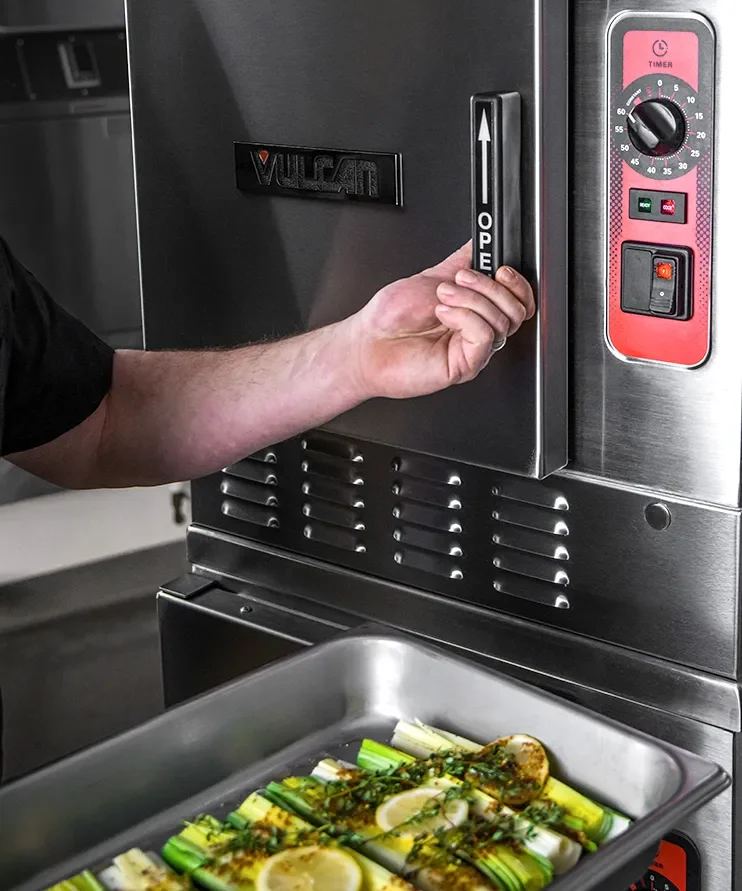
Most manufacturers are losing on price not because the product is inferior, but because the brand is indistinguishable. When the company looks, sounds, and feels exactly like 3 competitors on the same shortlist, buyers do what anyone would — they pick the cheapest option. We architect brand legacy. We took Vulcan from ‘industrial tool’ to ‘culinary partner.’ We took Scotts sod and made it a tech solution. That's not a logo refresh — it's repositioning that gives the sales team something to stand behind, and gives the company the brand authority to hold the price its position deserves.
-
Faster Decisions
We Destroy Digital Friction
The new generation of B2B buyers — procurement managers, dealers, contractors, chefs, engineers — grew up on Amazon and Apple. They have very little patience for clunky catalog sites and zero obligation to figure out yours. We specialize in taking massive product catalogs and turning them into intuitive, B2C-level experiences. The Tribute Feed Finder. Kichler's light layering tool. These aren't UX flourishes — they're sales infrastructure. When finding the right product takes seconds instead of a phone call, everybody wins.
-
Talent Pipeline
We Take Workforce Attraction Seriously
Manufacturing has an aging workforce and, frankly, a perception problem. Recruiting young, technically skilled talent is a top 3 issue for manufacturing CEOs right now — and most companies are trying to solve it with a careers page bolted onto the bottom of a website redesign. We treat workforce attraction as a standalone strategic discipline. With Kalmbach Feeds, we built a careers experience rooted in the company's high-touch family culture — the same emotional storytelling we use to sell products to farmers and chefs, applied to recruiting engineers.
-
Operational Clarity
We Solve Technical Debt
Most manufacturers are sitting on years of technical debt — ERPs, inventory databases, legacy systems that were never really meant to talk to each other. Getting a website to connect with any of it is usually a slow, expensive, and frustrating exercise. We've been there. The ITW Foods ‘Clone and Skin’ technical framework wasn't just a design solution; it was an operational one. We don't build websites and hand them off. We build digital engines designed to scale, integrate, and actually work with the way the business runs.
-
Retention Strategy
We Design for the Whole Customer Lifecycle
Pre-sale gets all the attention — product finders, capability pages, case studies. But the real ROI in manufacturing isn't the first sale; it's the tenth. Customer portals, dealer logins, inventory checks, reorder flows. The post-sale digital experience is where long-term relationships are built and where operational efficiency is either won or lost. We design for both sides of the transaction.
OUR SPEC SHEET
The tools we use to help manufacturers build brands that command attention — and premium pricing.
Brand Strategy & Market Differentiation
Most manufacturers compete on spec sheets and price. We help you stop doing that. We define what actually makes the company distinctive — turning deep technical expertise, heritage, and operational excellence into clear positioning and a story that's easy to understand, hard to ignore, and impossible to commoditize.
Brand Identity Systems
From logos to full visual and verbal systems, we build brands that reflect accuracy, quality, and trust at every touchpoint. Typography, color, iconography, illustration, motion, and a voice that holds up whether the brand shows up at a trade show, on a distributor's shelf, or in front of a buying committee.
Interactive & Digital Platforms
Custom websites, decision support tools, product finders, digital catalogs, and dealer tools built for the way B2B manufacturing buyers actually shop — which is increasingly the same way everyone else does. Globally scalable, locally adaptable, accessible, and built to integrate with the ERPs and backend systems the business already runs on. Not something to rebuild in three years.
Content & Sales Enablement
The sales cycle runs 6 to 18 months and involves engineers, procurement, and the C-suite. That's a lot of people to convince, and a lot of moments where the right content either moves things forward or lets the deal go cold. We produce cinematic video, case studies, technical storytelling, and campaign content that gives the company's expertise presence — plus pitch decks, brochures, and sales tools the reps can actually use.
Prototyping & Roadmapping
The brand that got the company here is rarely the brand it needs next. We help leadership teams see that future clearly — turning internal ambitions, market shifts, and ‘we should probably talk about this’ conversations into fully realized prototypes and a concrete roadmap. So when the time comes to move, the team isn't starting from scratch.
 Brenda Rice Director of Marketing, ITW Cooking Division - Vulcan
Bonfire Red went above and beyond on our website redesign. BFR dedicated the time to fully understand our complex company, industry, and products, and designed a site that is sleek and functional — and unlike anything our industry has ever seen.
 Rula Stamatis VP of Customer Experience, Kichler
Absolutely a gem. So enjoyed working with you. The perfect blend of fun and getting stuff done.
 Dan Ledman Creative Director, Scotts Miracle-Gro
Their work on the brand identity and visual language transformed how we communicate with our customers, ensuring that ProVista not only stood out in a crowded market but also resonated with both new and existing users.
THE RIGHT STORY IGNITES YOUR BUSINESS
Most companies don’t come to us because they lack capability. They come to us because what they've built hasn’t been written into your story yet — new services, broader scope, a more strategic role than their brand suggests. The work moved forward. The story stayed put.
01 Beyond Catalog
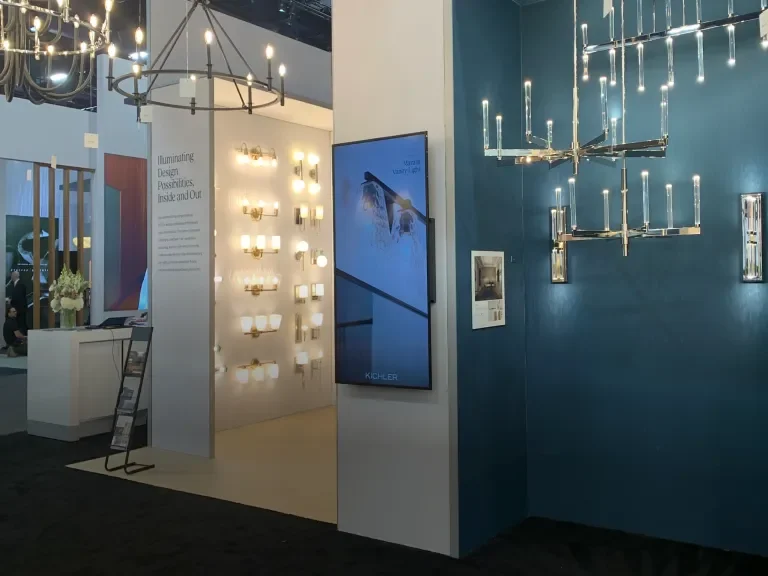
From Fixture Manufacturer to Lighting Authority
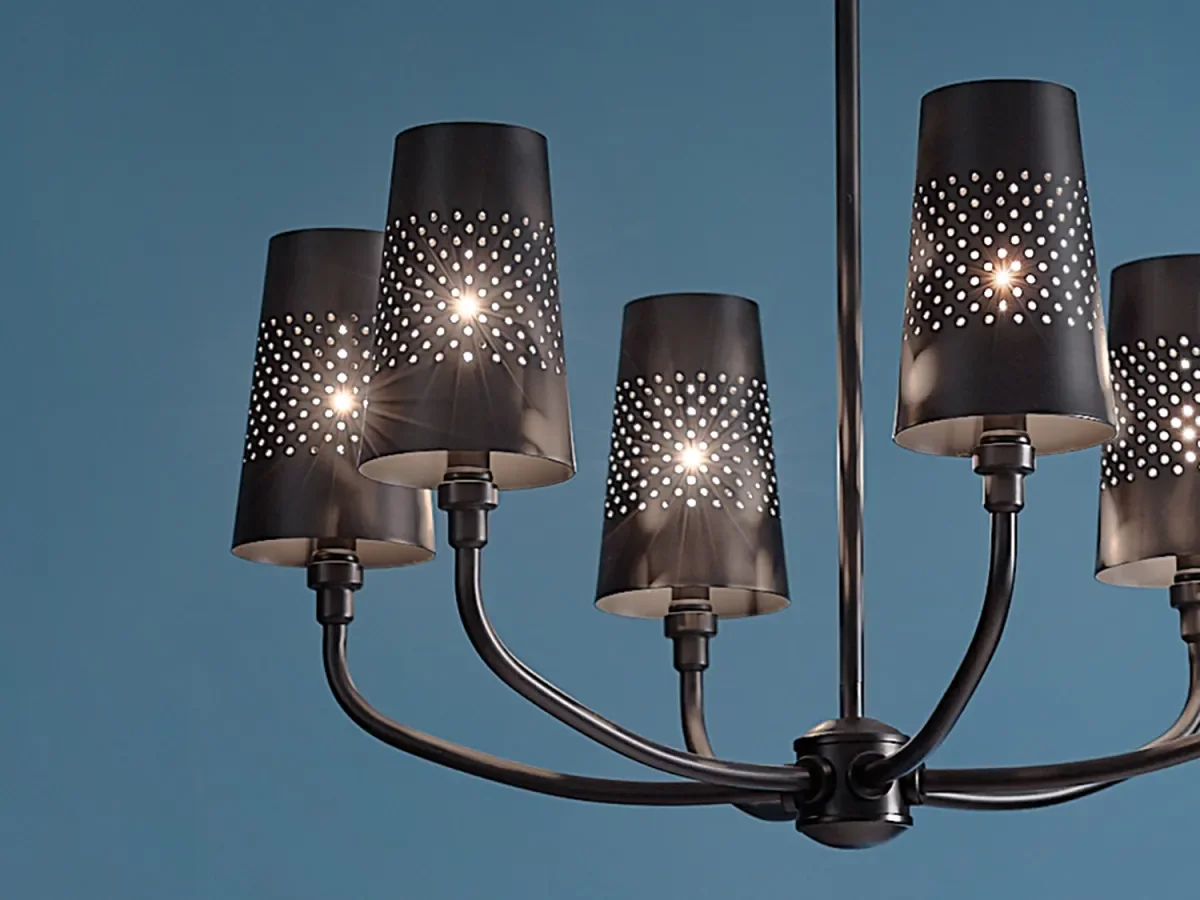
Kichler made beautiful, high-quality lighting. Their website made them look like every other manufacturer in the category. We rebuilt the digital experience around three new pillars — expert guidance, intentional simplicity, and emotional resonance — turning a clunky catalog into a brand platform that finally felt as considered as the products on it.
02 MARKET INNOVATION
Sod, Repositioned as a Labor-Savings Tool
Scotts Miracle-Gro entered the manufactured sod category with no history in it. We helped them avoid the commodity trap by repositioning ProVista around the business case — 50% less maintenance, natural weed resistance, lower long-term labor cost — instead of selling it as prettier grass. The result was a category entry that landed as a leader, not a follower.
03 Brand Gap Alignment

Premium Feed, Premium Experience
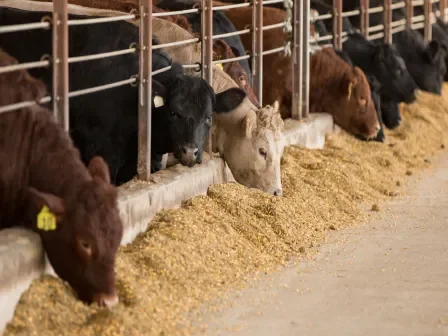
Tribute is the elite performance line for Kalmbach, trusted by top breeders and barns. The website didn't reflect that. We rebuilt the experience around a high-end visual language and an animated Feed Finder tool that walks owners through a personalized recommendation in seconds — making the digital experience finally match what's inside the bag.
04 Farm to Fashion
CASHMERE WAS JUST THE FIRST THREAD
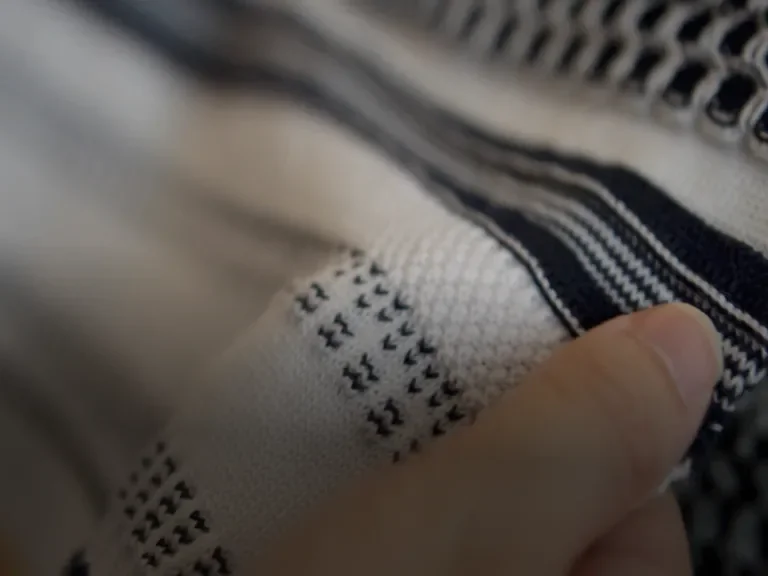
DZ Group had evolved into a full-scale design and production partner for global fashion houses. But their digital presence still framed them like a supplier — a single point in the process, not a partner across it. We rebuilt the platform to reflect the reality of the business, clarifying their role across the luxury supply chain and repositioning them from vendor to trusted partner.
Case Studies
Bonfire Red builds brand systems engineered for the 6-to-18-month sales cycle and the buying committee that runs it — so manufacturers stop competing as commodities and start showing up like the category leaders they actually are.

FAQs
Answers to common questions about working with Bonfire Red in manufacturing.
The honest answer is that brand work pays back through 3 levers, and we measure each of them. First, deal economics — when the brand earns a stronger position, the sales team holds price longer and discounts less. Second, sales velocity — when the digital experience does the front half of the buyer's research for them, the cycle compresses and the close rate goes up. Third, customer lifetime value — when the post-sale experience is built right, repeat orders, parts, and dealer renewals compound. We define the specific success metrics with each client at kickoff so the work is measurable, not just aesthetic.
Yes, and it usually does. The 6-to-18-month manufacturing sales cycle is mostly buyer research, internal alignment, and committee buy-in — most of which happens before a rep ever joins the conversation.
When the digital experience answers the engineer's technical questions, gives the procurement lead a defensible reason to choose, and gives the internal champion the brand firepower to walk into the budget meeting with confidence, every stage moves faster. We've seen this play out across Vulcan, Kichler, and Tribute.
By treating the digital experience as the buyer's research environment, not a brochure. Most B2B buyers form preference in private — comparing options on a laptop the same way they shop for everything else in their life.
We build scenario-based storytelling that helps them visualize the product in their own application, decision support tools that put them in control of the journey, and clean handoffs to the nearest dealer or online partner. By the time they fill out a form or walk into a partner store, the research is done and the mind is made up.
Decision support tools are the interactive experiences that put the buyer in control of the product — a feed finder that recommends the right formula based on the horse's age, weight, and workload; a light layering tool that shows how fixtures work together in a real room; a configurator that helps a chef spec the right piece of equipment for the kitchen they actually run. They're not gimmicks. They're how modern B2B buyers prefer to research, and they're what shift the experience from "company tells buyer about product" to "buyer figures out which product is right for them."
The website is part of it, but the harder problem is usually upstream — the brand isn't earning the position the price reflects. When everything in the category looks and sounds the same, buyers default to lowest cost.
We start by repositioning the brand around what actually makes the company distinctive, then translate that into a digital experience that holds up under buying-committee scrutiny. We took Vulcan from "industrial tool" to "culinary partner." We took Scotts sod and turned it into a labor-savings solution. The pricing follows the position.
Three patterns show up most often. First, the brand has fallen behind the company — operations, capabilities, and acquisitions have moved faster than the story has, and the gap is showing up in lost deals and undersold capability. Second, the digital experience isn't doing the sales work the team needs it to do — too much friction, not enough buyer enablement. Third, the portfolio has gotten complex — multiple brands, multiple audiences, and no clear architecture pulling it together. We work on all three, and they're often connected.
Different angle, related problem. CEOs come to us when growth is being throttled by perception — the company is operating at a higher level than the market sees, and the brand is the bottleneck. COOs come to us when the digital experience is creating operational drag — too many phone calls to find a product, too many manual workarounds in the dealer network, too much money getting spent on sites that don't talk to the ERP. We treat the brand and digital platform as business infrastructure, not marketing decoration.
Yes. We've worked across foodservice equipment, animal nutrition, lighting, lawn and garden, and luxury supply chain — and the work routinely involves ERPs, dealer portals, inventory systems, and the operational realities behind them. We're not just designing a marketing layer; we're building digital infrastructure that integrates with how the business actually runs.
Yes. The ITW Foods framework is the clearest example — we built a master digital environment for Vulcan, then cloned and re-skinned it for Wolf and Berkel. That approach gives portfolio brands flagship-level digital credibility without the cost of starting from scratch on every site, and it's a model that scales to larger global manufacturing groups.
Carefully, because dealers and distributors are usually the last mile of the sale and the first to feel any change to the brand. We design dealer-facing experiences — locators, login portals, co-branded materials, sales enablement — that strengthen the partner relationship instead of complicating it. The goal is to make the dealer's job easier, not to insert the manufacturer between the dealer and the end customer.
As a standalone strategic discipline, not a careers page bolted onto a redesign. The same emotional storytelling that sells products to chefs, contractors, or engineers can be applied to recruiting them. With Kalmbach Feeds, we built a careers experience rooted in the company's high-touch family culture — and treated it as serious brand work, because the talent shortage in manufacturing is a serious business problem.
Carefully, and case by case. There are real opportunities — content generation for technical documentation, smarter product finders, predictive personalization across dealer experiences — and there are real limits, especially around proprietary engineering data, customer information, and anything that touches the ERP. We help manufacturing leaders think through where AI earns its keep and where it doesn't, then build the digital experience to match.
Outcomes typically include sharper positioning, defensible pricing, faster sales cycles, stronger talent recruiting, and a digital platform that integrates with the existing tech stack instead of fighting it. We define the specific success metrics with each client at the start of the engagement so the work is measurable, not just aesthetic.
ENGINEERED TO DELIVER
You’ve already done all the hard work.
We help the world see it, feel it, and believe it.
The product is already premium. The operation already runs. The brand should match — so the company finally reads like the manufacturer it’s become.