Mozilla is a software company dedicated to developing free and open-source software with a singular mission: improving the open, global internet. They brought us into an opportunity to help introduce and demonstrate WebAssembly—a new web technology designed to dramatically improve the speed and execution of code in the browser. First announced in 2015, WebAssembly (WASM) opened vast possibilities across the web. Together with Mozilla, we focused that story on gaming: a world where players could enjoy fully functioning, high-definition games in-browser, without a console, a download, or a single moment of lag.
Our task was to build a brand and website around three goals—introducing WebAssembly as a viable new web technology, showcasing it working in real-time in the browser, and providing a clear adoption timeline across sister technologies and major browsers.
Building the Brand
The brand we created was called OpenWebGames, a name rooted in Mozilla's mission of enhancing gaming for the open web. The logomark pays homage to the 8-bit era, using circles to represent pixels in a nod to gaming's origins. In its animated form, the logo shifts to suggest distinct game genres—first-person shooters, racing, stealth—bringing energy and personality to a technically-driven story.
The Experience
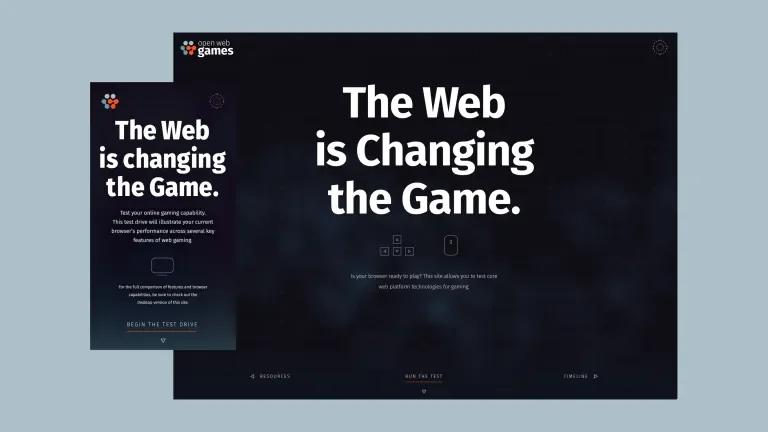
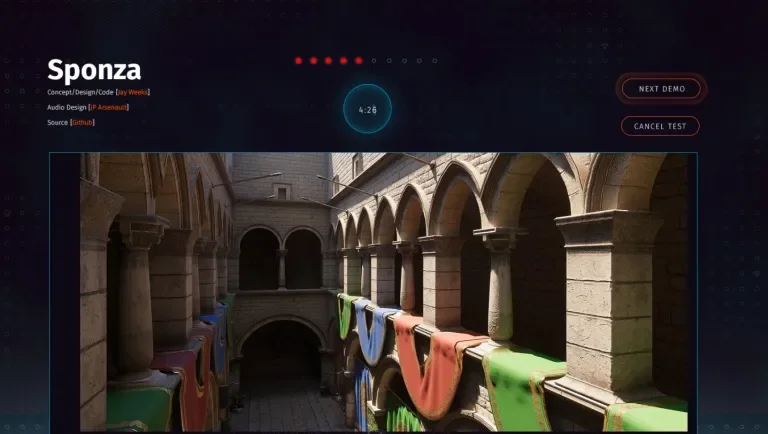
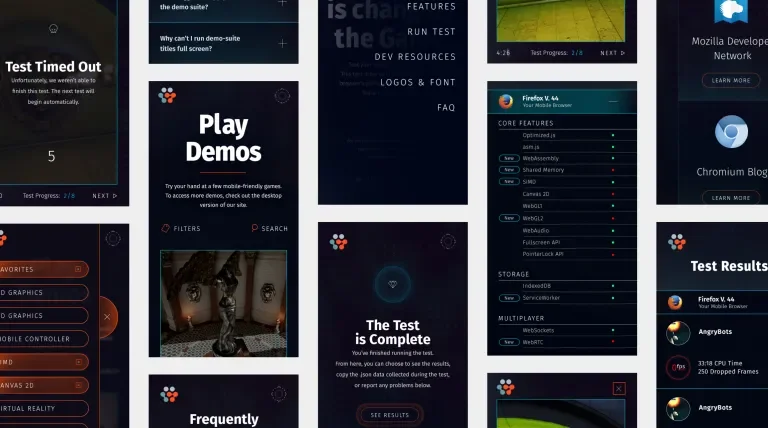
The website placed the technology front and center. Visitors could play a curated selection of games directly in their browser, with each title tagged by its underlying technologies—some established, some newly emerging and not yet fully adopted across all browsers. This transparency was intentional: it let the technology speak for itself while honestly acknowledging where the ecosystem still had room to grow.
The Adoption Framework
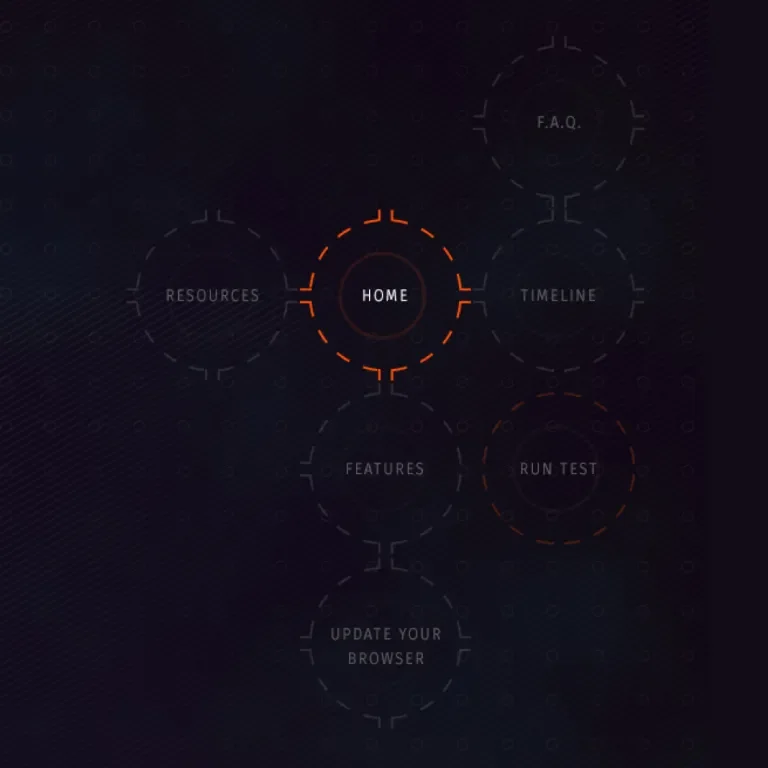
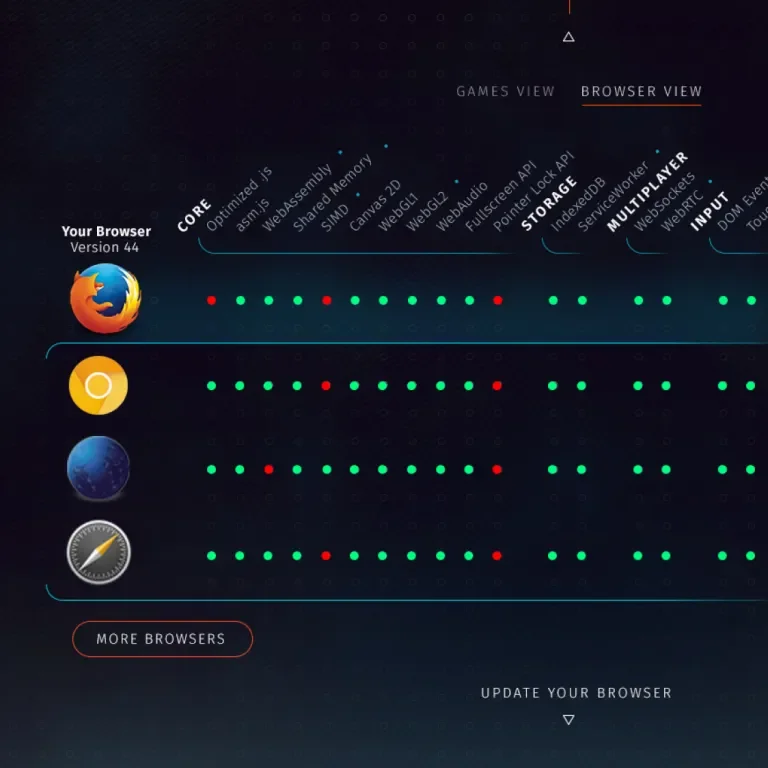
One of the site's most functional features was the technology adoption screen—a real-time stoplight chart tracking which technologies had been fully tested and implemented across major browsers. Visitors could see exactly where things stood, then download, install, or update their browser to access the latest capabilities. The proposed rollout timeline for WASM across all browsers was first published in March 2017. On December 5, 2019, it became an official W3C recommendation.