Micro Center has earned its reputation as the #1 tech retailer in America — a destination for PC builders, makers, engineers, developers and people who know exactly what 24GB of VRAM can do.
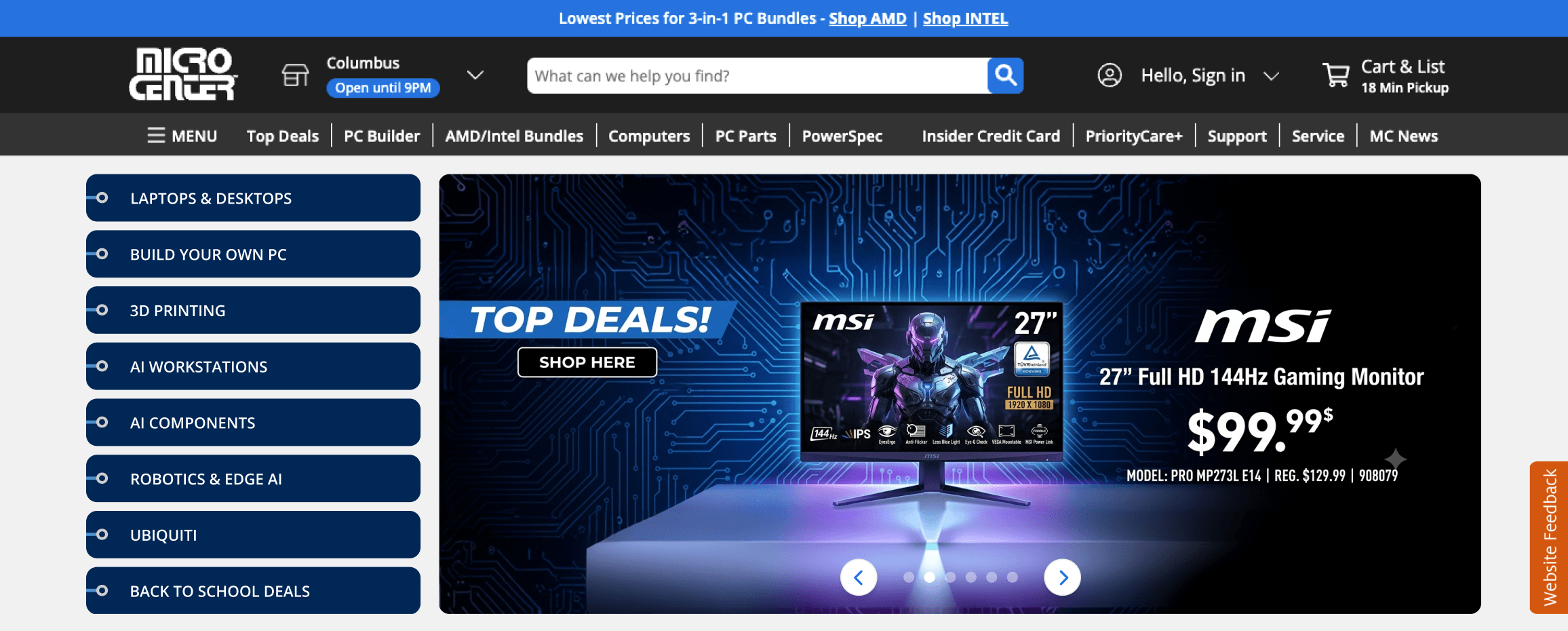
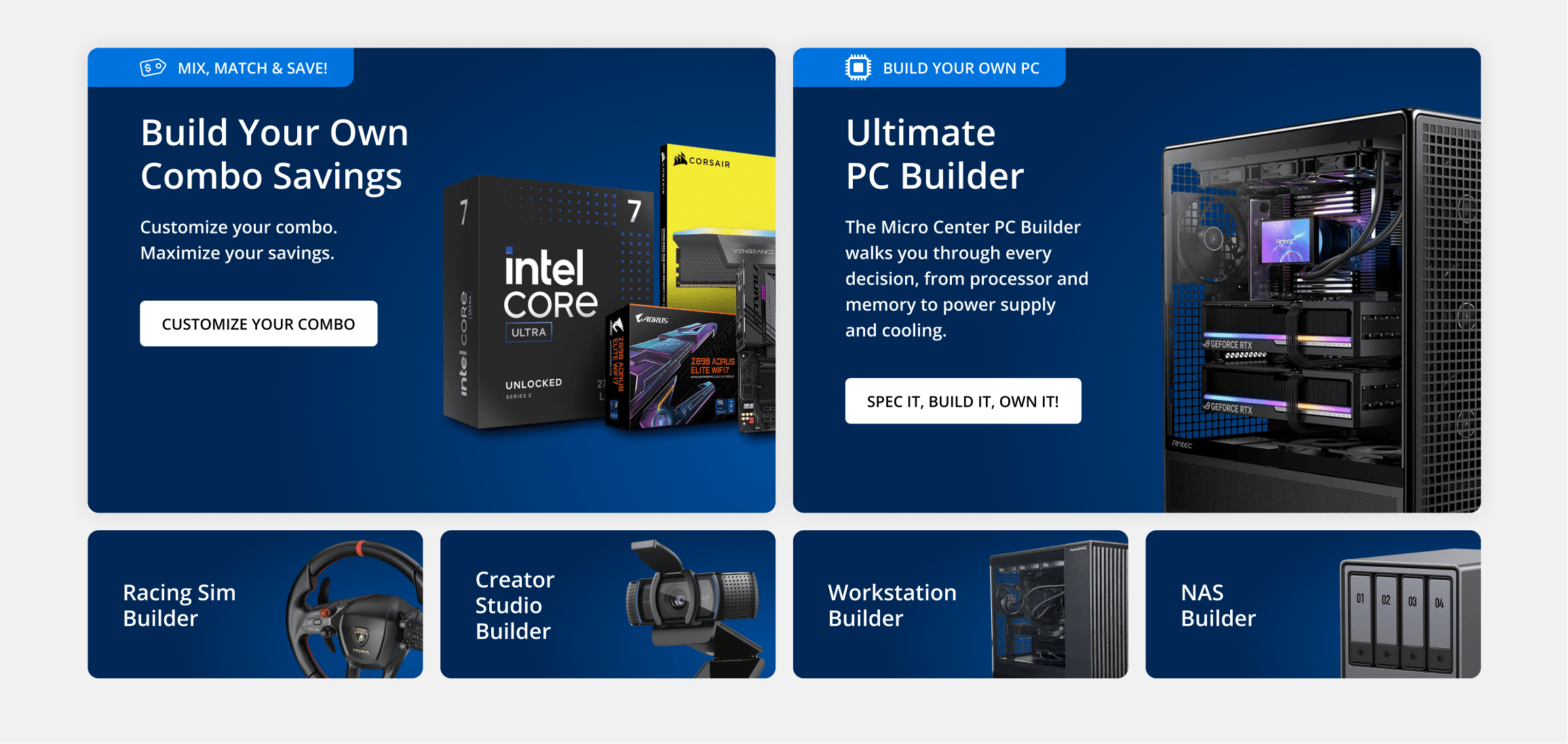
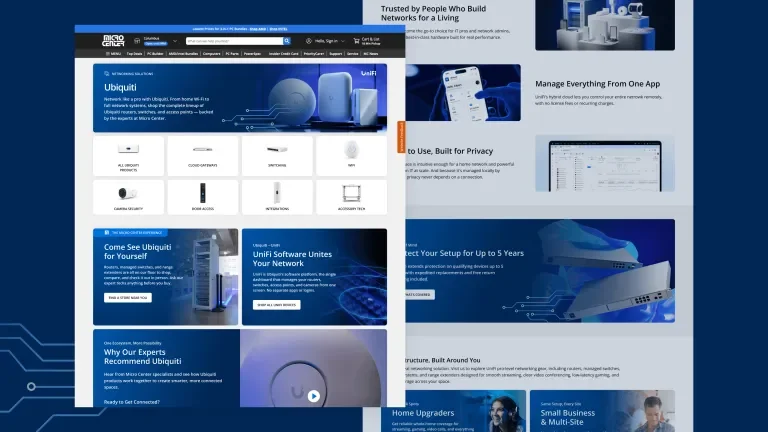
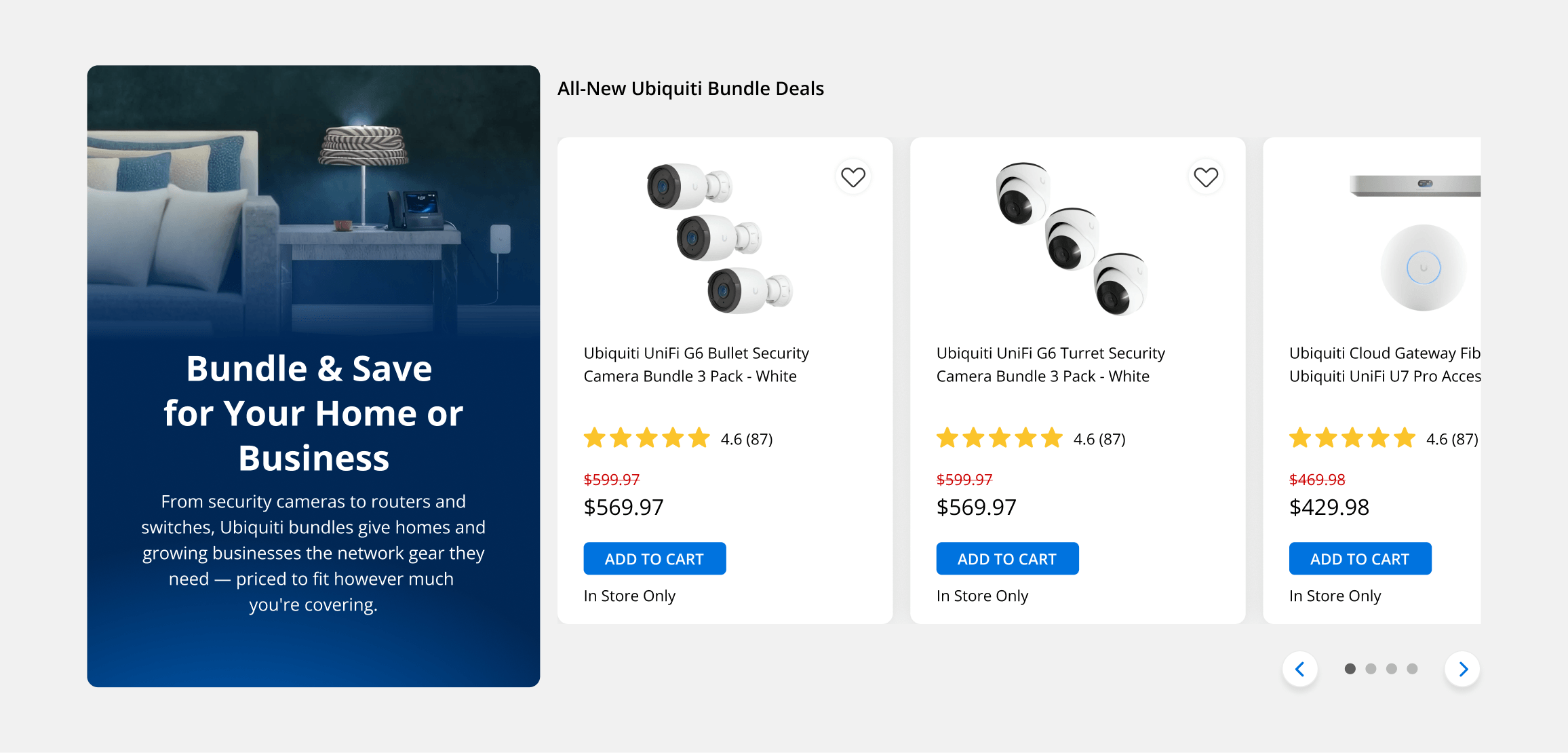
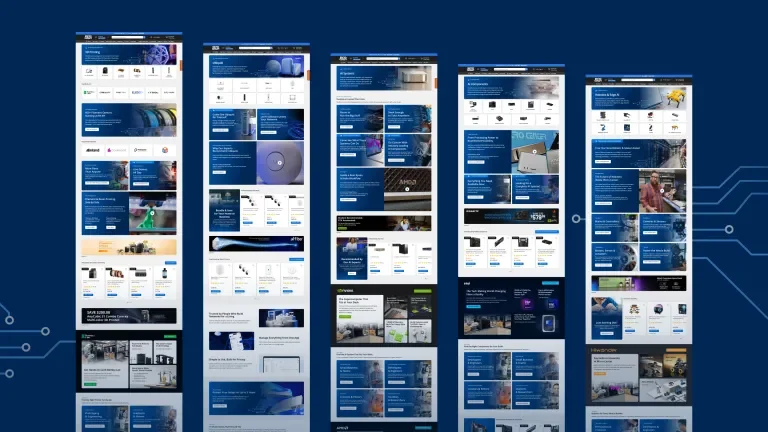
As emerging technology moved faster, Micro Center saw an opportunity to bring more of that in-store expertise online. We partnered with the team to redesign the homepage and create five new high-growth category experiences across Ubiquiti, AI Systems, AI Components, 3D Printing and Robotics / Edge AI.
The goal went beyond adding more ways to shop online. We were building a better digital path to the thing Micro Center does exceptionally well: getting people into stores, in front of the right products, and talking to people who actually know their stuff.
The Store
Is the Superpower.
For Micro Center, digital and physical retail aren’t competing experiences. They work better together. Customers come to Micro Center for immediate access to serious hardware, deep inventory, and associates who can answer questions that go well beyond “What color would you like?”
So, our job was to make the digital experience work harder for the store — helping customers research complicated technology, understand their options and know exactly where to go next. That meant creating a stronger path from curiosity to confidence to an actual store visit.
Along the way, we focused on 3 things:
- Make the path to the store easier.
Give customers enough useful information to make a decision, then make local availability, pickup and expert help impossible to miss. - Own the emerging-tech conversation.
Build authoritative destinations around rapidly growing categories before they become table stakes. - Sound like Micro Center.
Direct. Knowledgeable. Enthusiastic about technology. Never trying too hard to prove it.
First, We Plugged In.
You can’t write convincingly about AI workstations, enterprise networking or robotics kits from 30,000 feet. So we got closer.
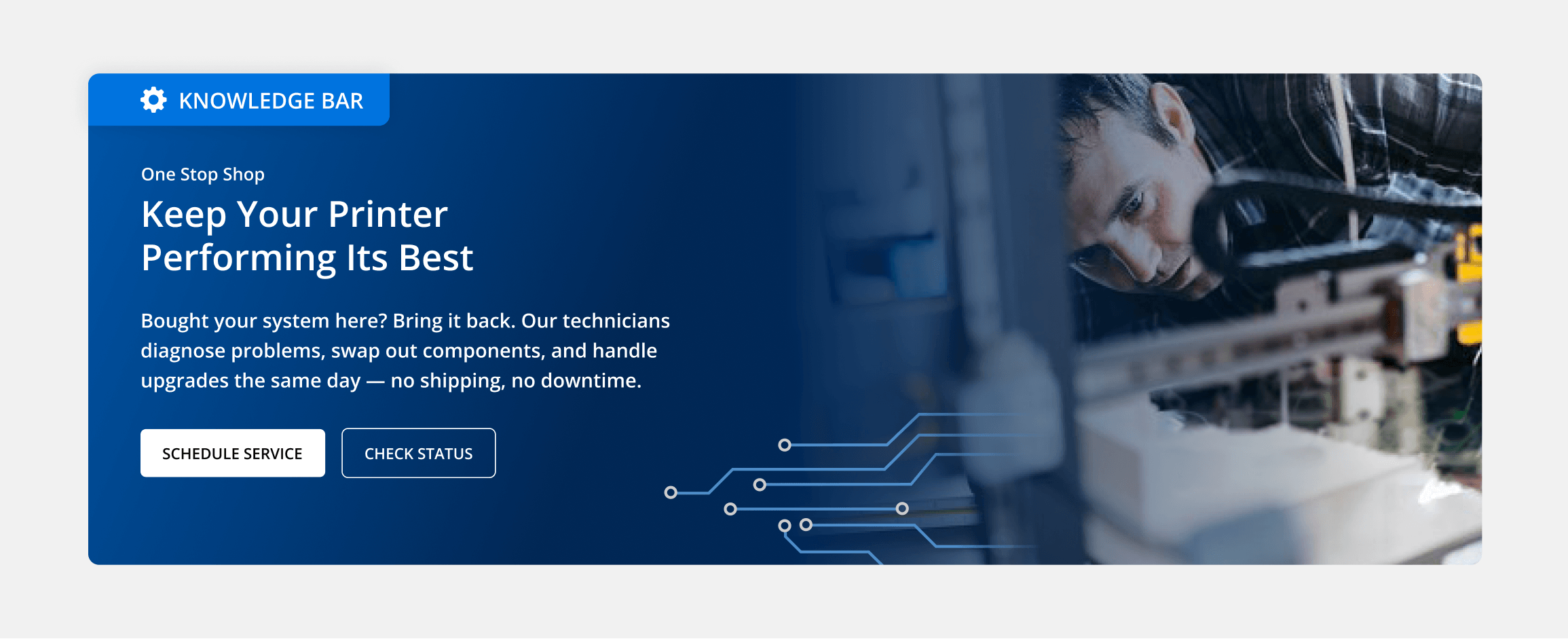
We spent time inside a Micro Center store observing associates, Knowledge Bar technicians and customers in action, then talked with internal experts across all five growth categories to understand the technology, the customer and what could turn online research into, “Yeah, I’m going to the store.”
Then came the real work: distilling highly technical, rapidly evolving categories into digital experiences people could actually understand and navigate — without watering them down.
- Ubiquiti
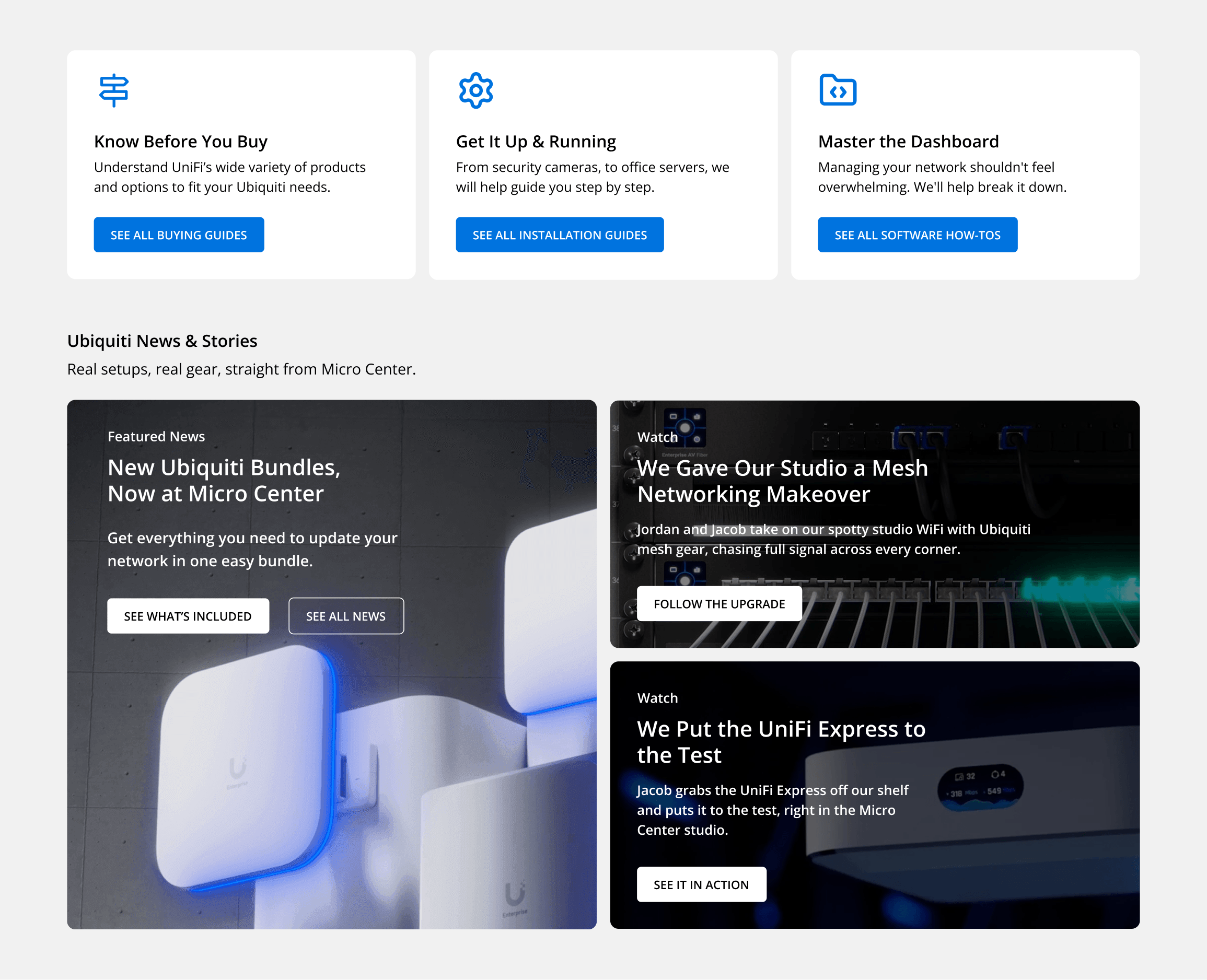
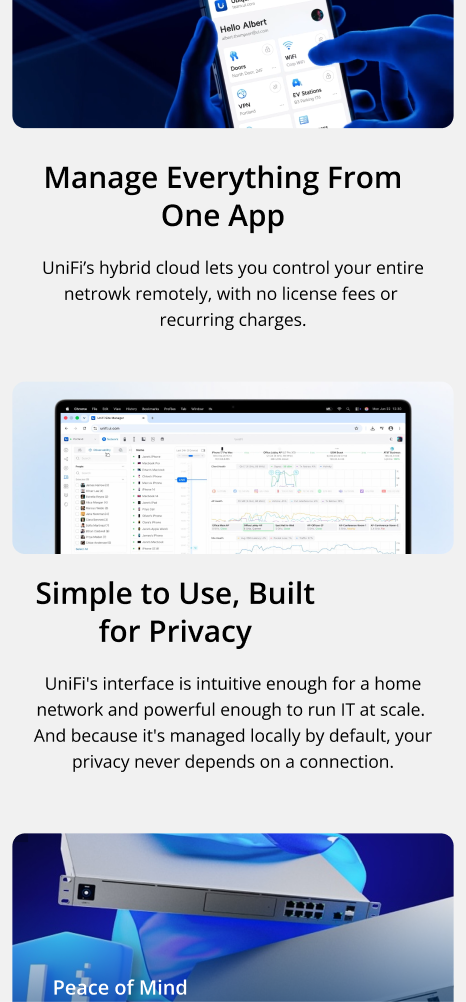
Understanding how gateways, switches, access points and other components come together across sophisticated home and business networks. - AI Systems
Breaking down purpose-built workstations for local LLMs, model fine-tuning, rendering and other compute-heavy workloads. - AI Components
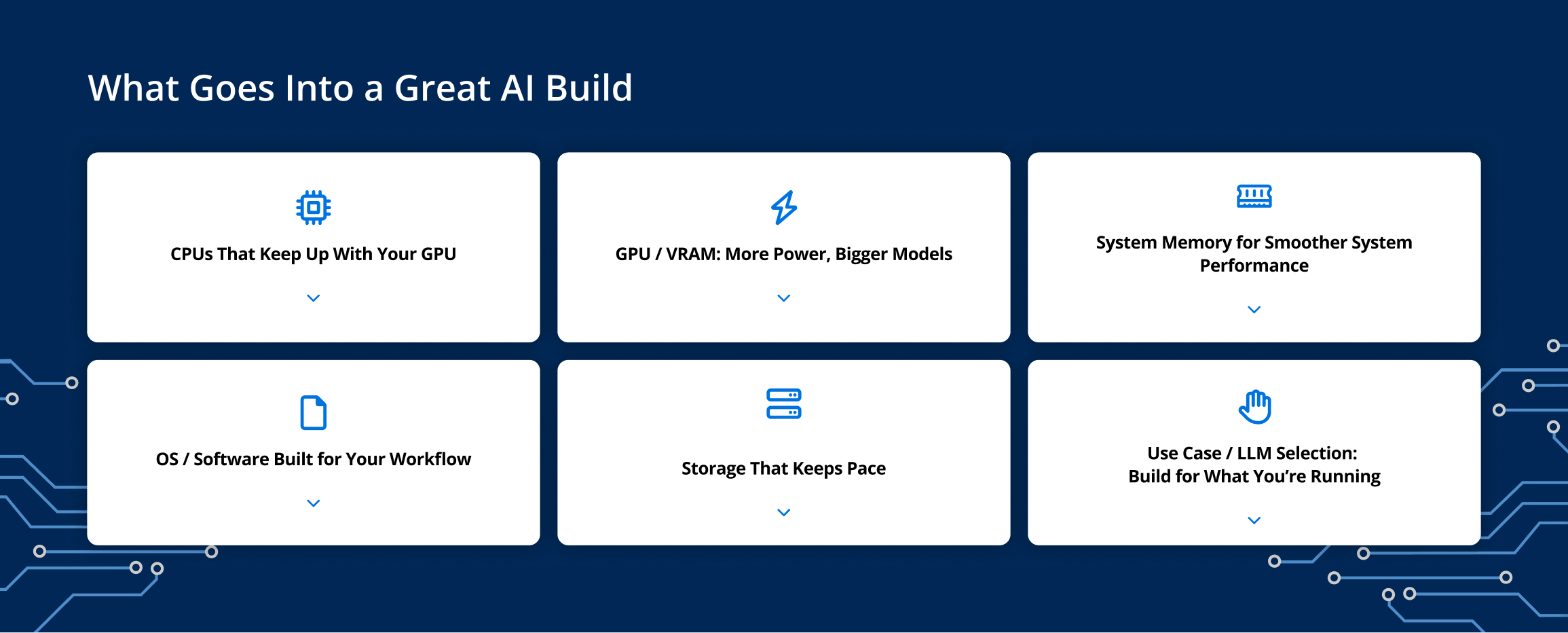
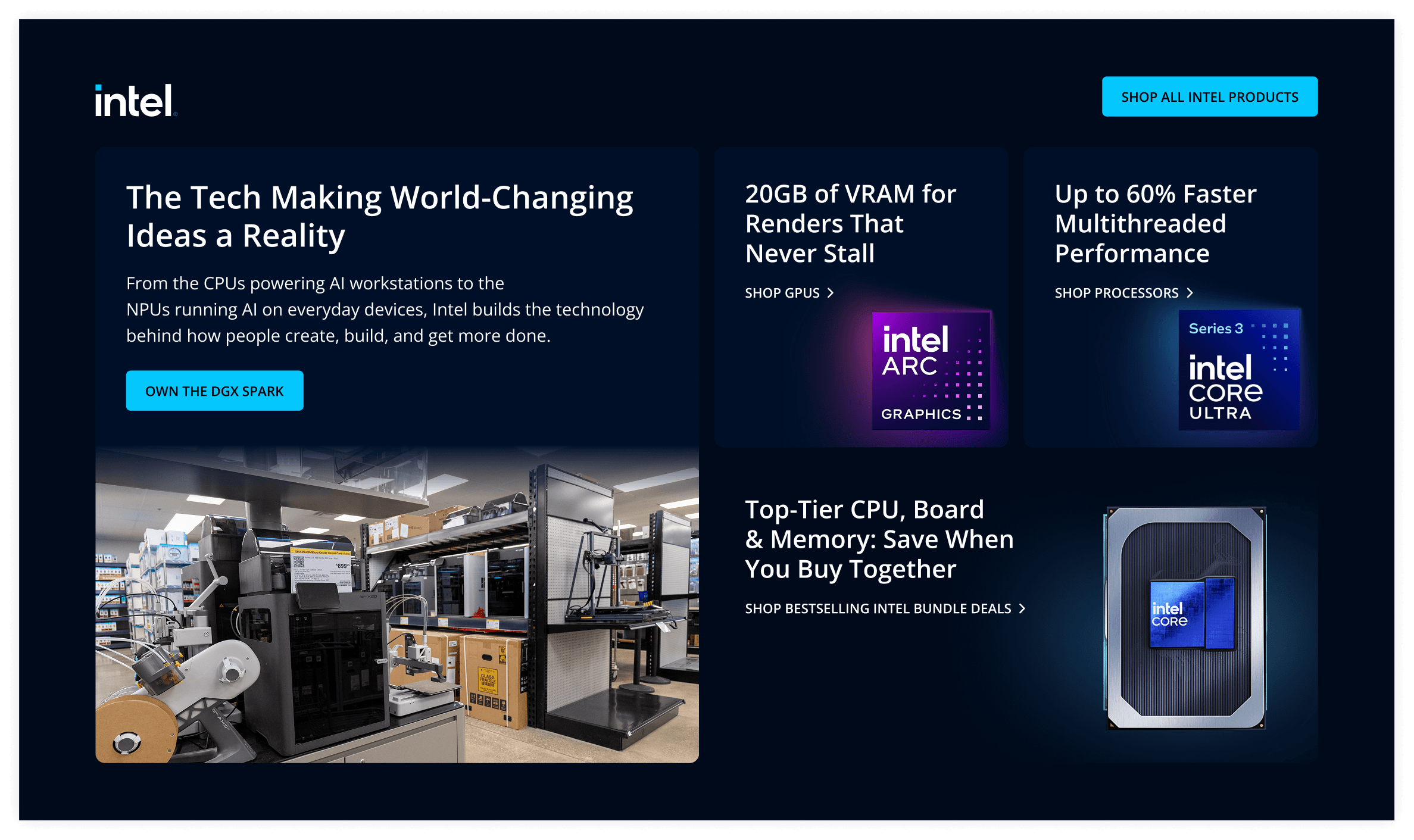
Making the DIY AI build process easier to navigate across GPUs, VRAM, storage, memory and power requirements. - 3D Printing
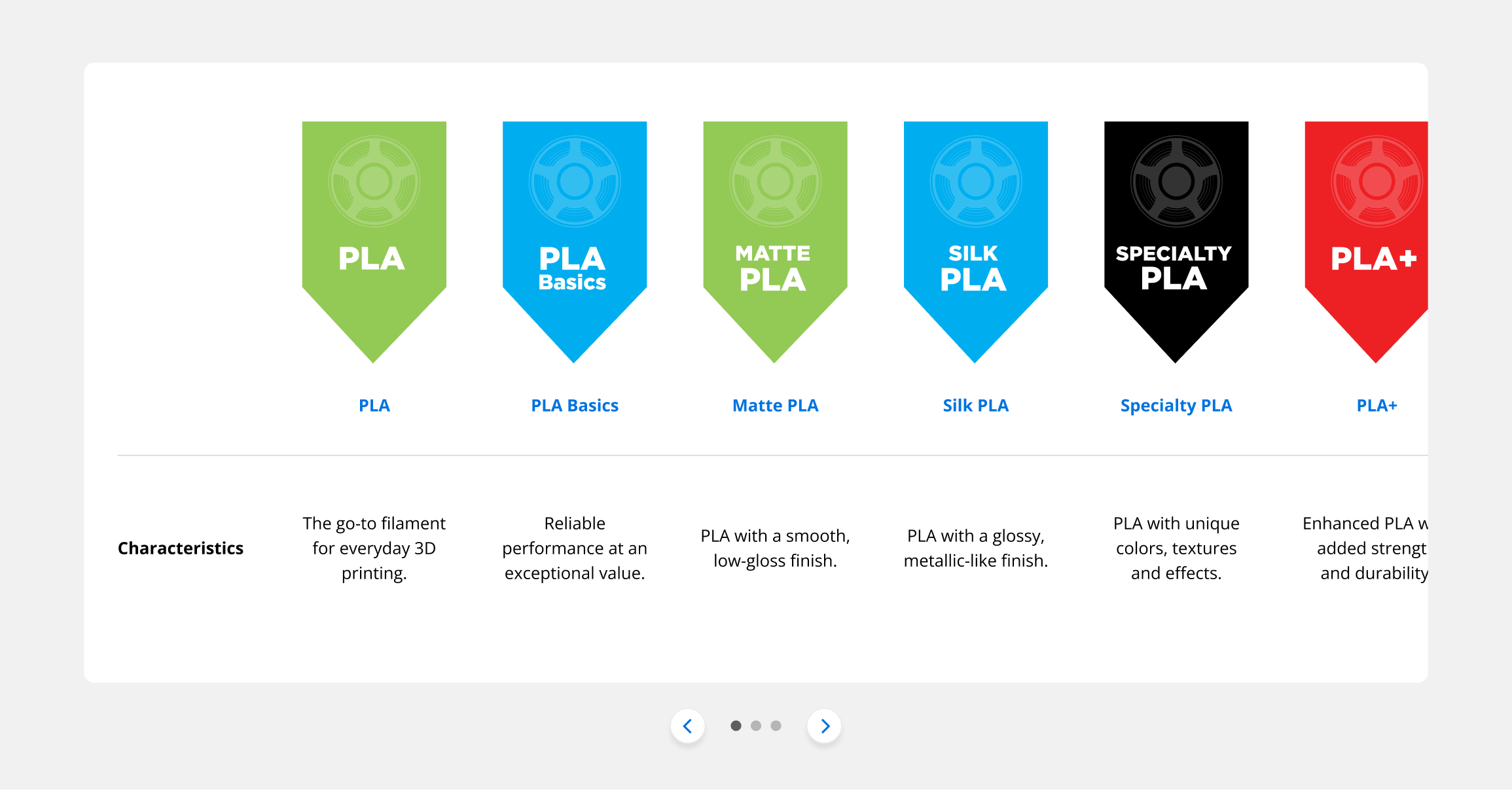
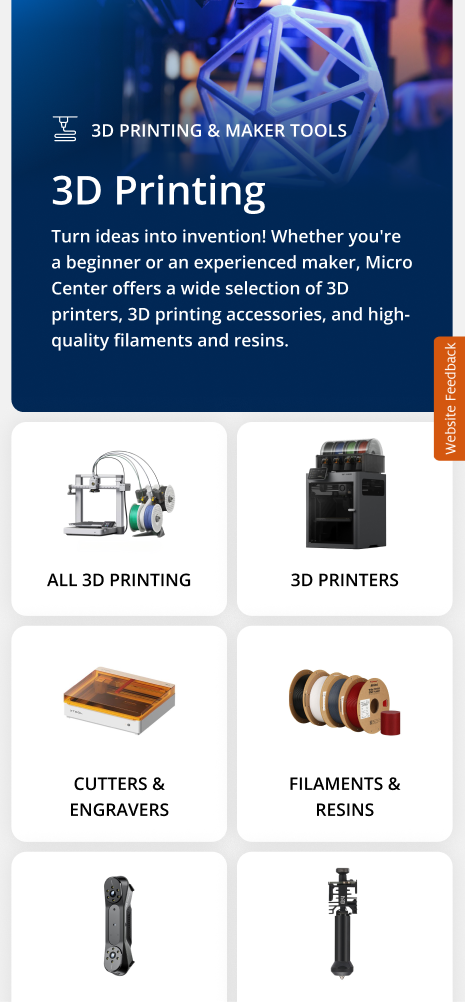
Mapping a category that stretches from first-time desktop printers to faster, more advanced multi-material systems. - Robotics + Edge AI
Connecting developers and makers with the hardware, sensors, microcontrollers and components that turn software into something physical.
The deeper we went, the clearer the opportunity became: Micro Center didn’t just sell this technology. It could help people understand what to do with it.
LESS PRODUCT GRID.
MORE POINT OF VIEW.
Technical audiences can smell fluff from several browser tabs away. So the content had to earn its place. We developed a more direct, informed approach to copy that went beyond repeating specifications. Instead, the experience helps customers understand what a product does, why it matters and where it fits within a larger setup or build.
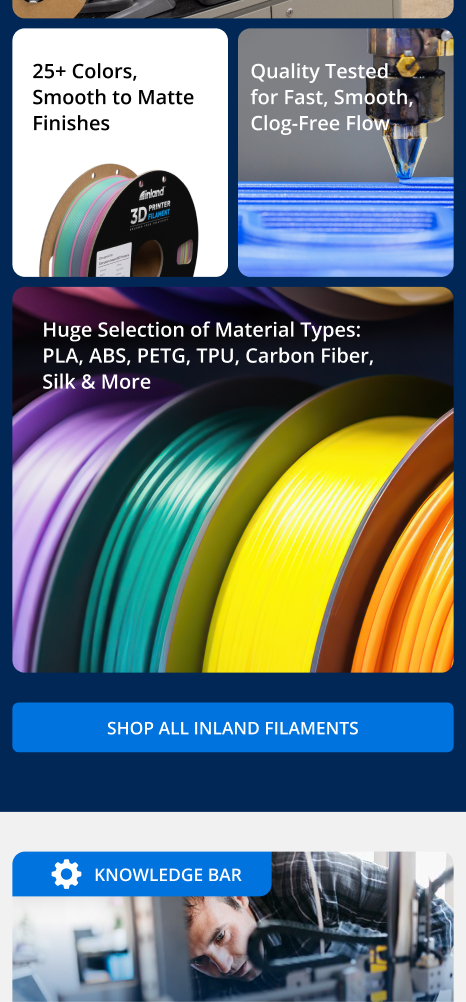
We also brought Micro Center’s biggest advantages further forward: local inventory, knowledgeable associates, same-day access to hardware and hands-on expertise. And instead of treating each category page like an endless digital shelf, we gave it a beginning, middle, and next step.
Customers could understand the larger ecosystem, explore possible configurations, compare components and find the right path into the store when they were ready to make something happen.
BUILT FOR SOME
SERIOUS HARDWARE.
Complex technology needs room to explain itself. We expanded Micro Center’s digital design system with flexible components built specifically for content-heavy, spec-heavy categories.
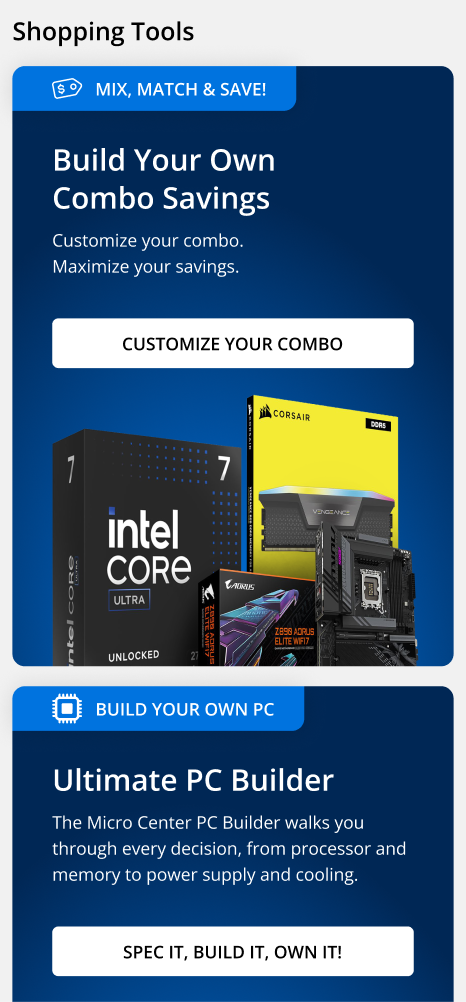
Modular layouts created space for system diagrams, educational content, product recommendations and quick navigation without turning the page into a technical manual. Clear typography and spec treatments made it easier to compare dense product information.
And a stronger visual hierarchy gave important ideas room to breathe while keeping the abundance and energy customers expect from Micro Center. In other words: lots of information, considerably less homework.
FROM BROWSER TAB
TO STORE AISLE.
Throughout the experience, we kept coming back to one question: What makes someone want to go to Micro Center today?
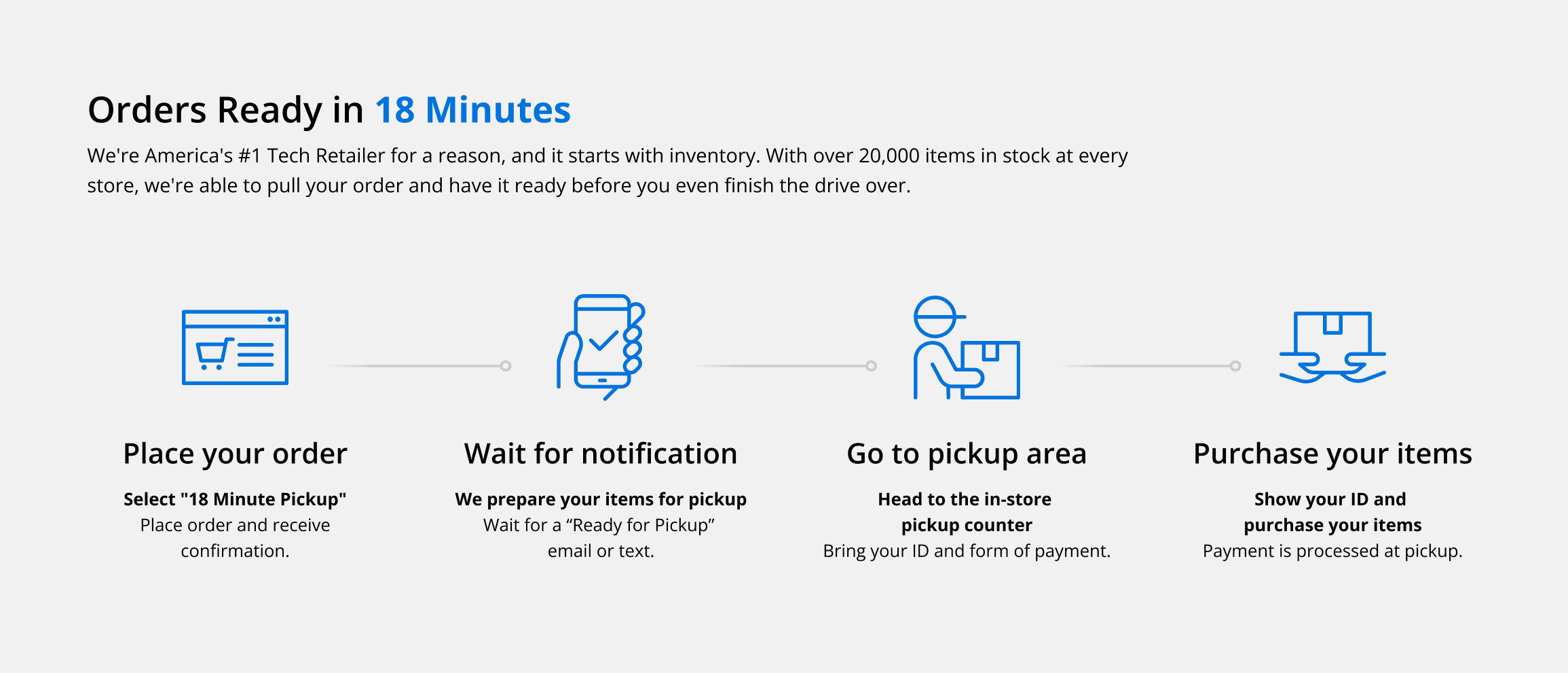
Sometimes, it’s finding out the exact GPU they need is sitting 12 miles away. Sometimes, it’s knowing they can reserve it and pick it up in as little as 18 minutes. And sometimes, it’s realizing there’s an actual human nearby who can help make sense of an AI build, troubleshoot a robotics project or figure out why that one component absolutely refuses to cooperate.
We brought those reasons directly into the digital journey through prominent local inventory, fast pickup messaging, and stronger connections to the Knowledge Bar and in-store support.
Because for Micro Center, the website doesn’t have to replace the store. It should make you want to go there.
Visit
Website
Technology